Winter Watering
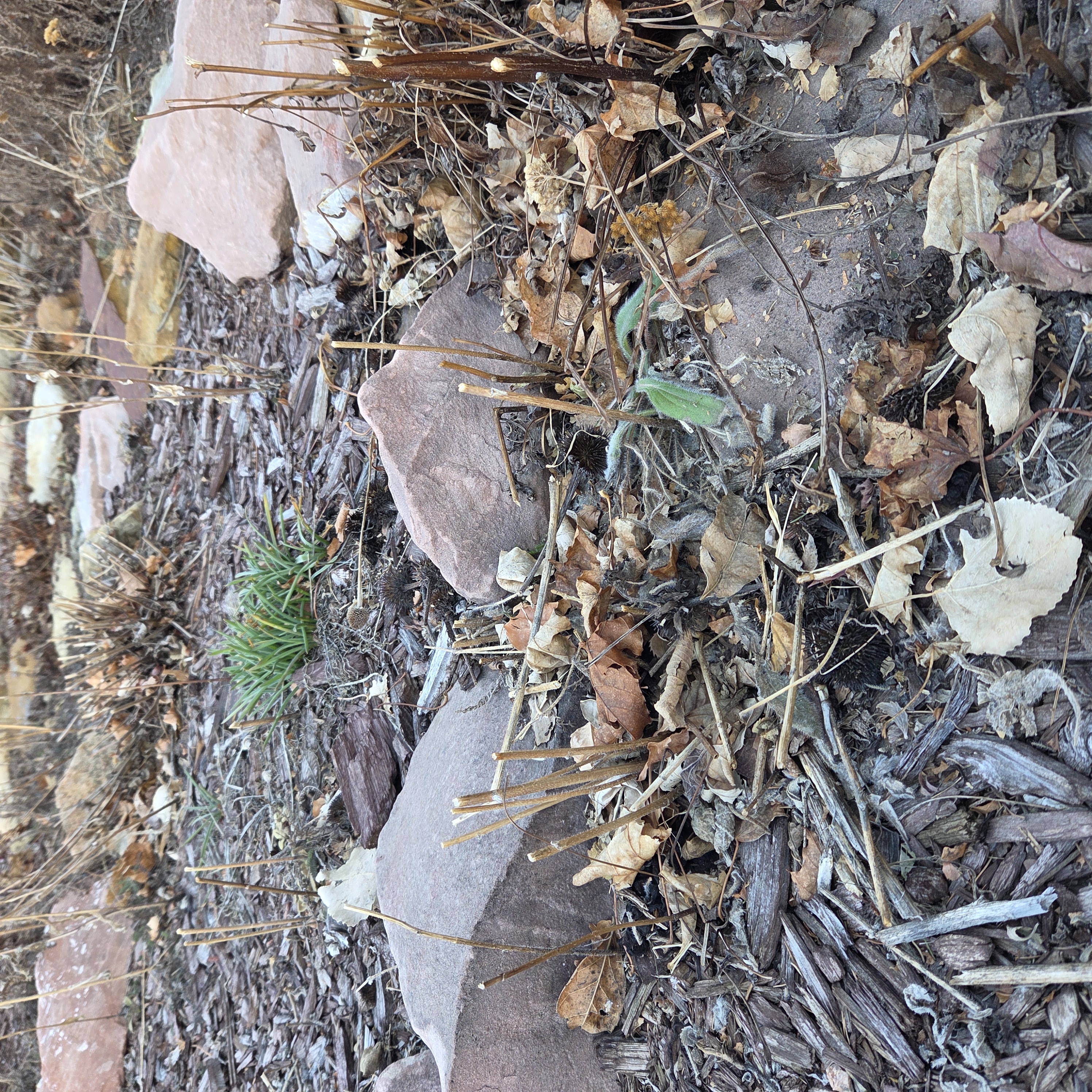
Photo Credit: K. Fred
Winter watering might not be the first thing on your mind, but it is crucial for keeping your garden thriving during the colder months. It is important to provide soil moisture to trees, shrubs, perennials, and lawns when little to no snow cover is available. Extended dry periods during fall and winter can damage or kill parts of the plant root systems. While affected plants may appear normal and resume growing in early spring, they could wither and die later in the spring as temperatures rise. Drought-stressed plants are also more prone to insect and disease problems.
Woody plants with shallow root systems may require supplemental watering. This includes trees, shrubs, herbaceous fall-planted perennials, ground coverings, bare root plants, and plants located in windy, southwest exposures, or receiving reflected heat from buildings, walls or fences. Mulch is also recommended to conserve soil moisture.
Lawns are also prone to winter damage, especially newly established lawns. Winter damage chances increase in lawns with south or west exposures.
Water only when air temperatures are above 40 degrees F, and snow is not present. Apply water during the midday, so it will have time to soak in before possibly freezing at night. Windy conditions cause plants and sod to dry out faster, requiring additional water. Newly planted trees and shrubs are especially vulnerable to winter drought during their first two years. By following these winter watering tips, you give your garden the support it needs to stay healthy and thrive on the Front Range.
https://extension.colostate.edu/resource/fall-and-winter-watering-of-plants-and-trees/