Hydroponics - Winter Indoor Options
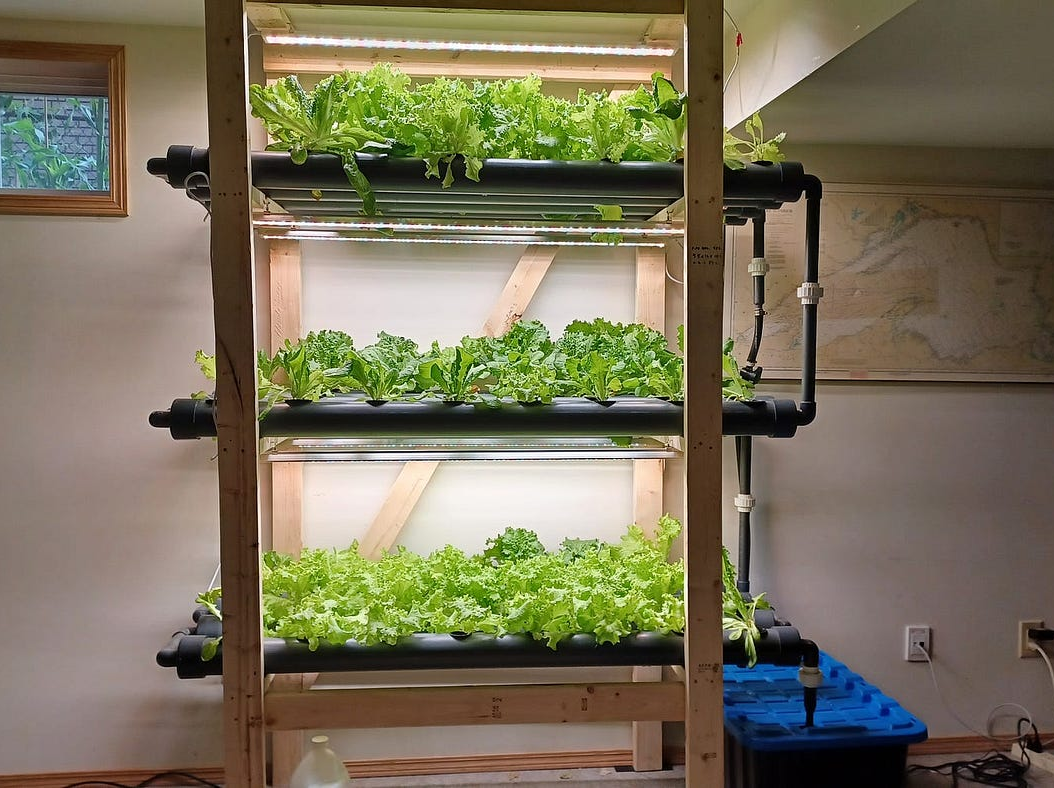
Photo Credit: dhgardencentre.com
While there are vegetables that can still be planted outdoors, another great option is to grow indoors using hydroponics. Hydroponics is a gardening method that uses soilless mediums, requires minimal space, and consumes less water, making it suitable for both indoors and outdoor setups. “Although almost anything can be grown hydroponically, short-season crops or crops that do not produce fruit such as herbs and leafy greens are great choices for indoor production in the winter.” There are many benefits with hydroponic gardening, such as no weeds, and the use of grow lights and specific nutrients create a stable, controlled environment to grow long after season on the Front Range.
Whether DIY or buy a pre-made set up, you will need to make sure that you have the appropriate lighting as well as nutrients for the plants you select. Certain plants grow at a specific pH levels. Group plants with similar nutrient needs together to ensure optimal growth. It is important to pick plants that will thrive under the light and heat conditions you are able to provide. Lettuce, herbs and plants in the Brassica family (mustards, kale, etc) thrive year-round, particularly during the winter months. Selecting seed packets that state “grows well in hydroponic systems” is also good. Commonly used substrates in hydroponics are perlite, hydroton (LECA), pumice, gravel, coconut coir and Rockwool.
Insects can still be a problem with indoor hydroponics. Sanitation is going to be the best defense and management of insects. Hydroponic systems can still be attacked by thrips, mites, aphids and whiteflies. It can be harder to manage indoor pest infestations as there is a lack of predators to handle the problem. It is important to check your plants before introducing them into the hydroponic system and to keep them away from other houseplants.
When growing hydroponics indoors, it is best to implement general food safety practices, such as washing your hands and cleaning/sanitizing tools and buckets at harvest time. Rinse all produce thoroughly before consuming. Clean and sanitize containers and equipment between grows. For a detailed guide on setting up a small-scale hydroponic system, check out this resource from the University of Minnesota Extension.
https://extension.umn.edu/how/small-scale-hydroponics#fertility-management-3300063
Start your hydroponic journey today and enjoy fresh produce all year round! Share your progress and tips in the comments below to inspire others.